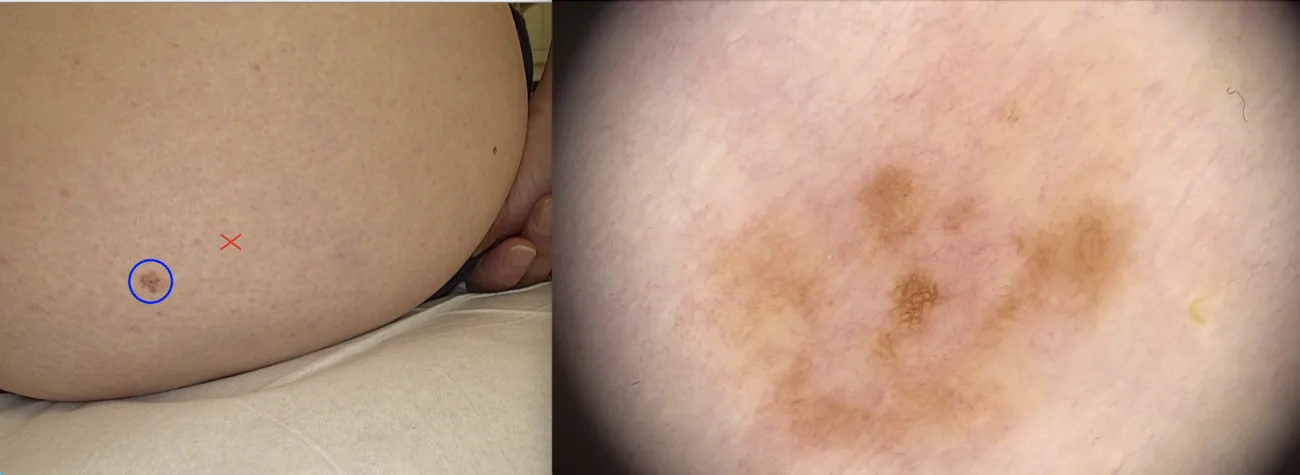
Skin Cancer Check

Skin Cancer Check

Skin-Cancer-Check-Melbourne

Regular full-body skin checks provide you with the best chance of detecting skin cancer early.

Our skin cancer specialists use advanced technology to perform Comprehensive skin checks in Melbourne. They use a state-of-the-art mole scanner. This scanner examines the entire body for spots and takes photos of any suspicious ones. This ensures a thorough examination from head to toe. At QC skin clinic we also offer full body mole mapping service.

What is skin cancer?

Skin cancer is by far the most common cancer in Australia, killing 5 people every day. Finding skin cancer early is important for successful treatment and survival.

‍

Types of skin cancer we can treat:

  1. Basal Cell Carcinoma (BCC)
  2. Squamous Cell Carcinoma (SCC)
  3. Melanoma
  4. Other rare form of skin cancers

‍

Full Body Skin Check Melbourne

  • Regular full body skin checks provide you with the best chance of early skin cancer detection.
  • Our skin cancer doctors are accredited by the Skin Cancer College of Australasia. They specialize in diagnosis and treatment of skin cancer.
  • Our doctors conduct a comprehensive head to toe examination to ensure they do not miss anything sinister.
  • We use a new technique called Dermoscopy (Molescan) to diagnose skin cancer. This technique detects changes that are not visible to the naked eye.

‍

Dermoscopy (Mole scan)

Dermoscopy is a new technique that uses highly magnified images to analyze the structure of moles.

‍

Dermoscopy-Molescan

‍

Dermoscope

Dermoscope (mole scanner) is a skin microscope that creates magnified dermoscopic images.

‍

Dermoscope-Manual

‍‍

Digital Dermoscope (Fotofinder)

We use a modern digital dermoscope that can take detailed pictures of moles up to 130 times bigger.

‍

‍

Digital-Dermoscope

‍

How Does a Melbourne Skin Cancer Check Work?

1. Prepare for your skin examination

Your full-body skin check usually takes 15–30 minutes. Please attend without nail polish, make-up or fake tan, as these products can hide spots and make them difficult to assess. Tell your doctor about any new, changing or unusual spots and any previous skin cancers.

2. Have a head-to-toe skin check

You will be asked to undress to your underwear, and we can provide a blanket for your comfort and privacy. Your doctor will examine your skin from head to toe using a Fotofinder mole scanner—a modern digital magnifying instrument that helps identify suspicious features not visible to the naked eye. The skin examination is painless. Skin cancers can occur anywhere on the body, including the genital region, so please mention any concerning spots hidden under your undergarments. These areas will only be examined at your explicit request and with your consent.

3. Review the findings with your doctor

Your doctor will explain the findings and discuss any spots that need further assessment. If a suspicious skin lesion is found, your doctor may photograph it for monitoring or recommend a skin biopsy, which involves taking a small sample for laboratory testing.

4. Arrange your next steps

If a biopsy or skin cancer treatment is needed, we will arrange a separate appointment. Your doctor will also recommend when to return for your next skin check and provide advice on sun protection and checking your skin at home.

‍

Regular skin checks can help catch any problems early on. Don't hesitate to schedule an appointment with our skin cancer specialists if you have any concerns.
‍

We offer skin cancer check in Melbourne and nearby suburbs, including Ferntree Gully, Knoxfield, Noble Park, Rowville, Lysterfield, Scoresby, Boronia, Wantirna, Wheelers Hill, Mulgrave, Dandenong, Endevour Hills, Upwey, Bayswater, Belgrave, Narre Warren, Hallam.

Medically reviewed by
Dr. Michael Safaie
on
26/10/2026

Frequently Asked Questions

What happens if a suspicious spot is found?

Your doctor will explain the findings and recommend the next step. Depending on the lesion, this may involve photographic monitoring, a biopsy or removal for laboratory testing. A suspicious spot does not necessarily mean skin cancer. If a procedure is needed, we arrange a separate appointment to allow sufficient time. Further treatment will depend on the pathology results.

What is the difference between a skin check and mole mapping?

A skin check involves a doctor examining your skin using a Mole scanner to assess individual spots. Mole mapping combines this examination with total-body photography, creating a visual record that can be compared at future visits to identify new or changing moles. It can be particularly helpful for people with numerous moles or a personal or family history of melanoma.

How long does a skin check take, and how should I prepare?

A full-body skin check usually takes 15–30 minutes. Please wear clothing that is easy to remove and attend without makeup, nail polish or fake tan, as these can obscure skin changes. Let your doctor know about any new, changing or concerning spots, including those covered by your underwear.

Do I need a referral for a skin check?

No referral is required to book a skin check with our accredited skin cancer specialist doctors. You can book directly with the clinic. If your GP has referred you, please bring the referral and any relevant previous skin cancer pathology reports.

How much does a full-body skin check cost?

A full-body skin check at QC Skin Cancer & Laser Clinic costs $153 out of pocket for Medicare card holders and $138 out of pocket for Age Pension card holders. DVA Gold Card holders are bulk billed. Additional fees apply if a biopsy or treatment is required. Please visit our skin cancer service fees page for current pricing.

How often do I need to have my skin checked?

For most people, it is highly recommended to have a skin cancer check on an annual basis. If you are at higher risk for skin cancer, your doctor may suggest getting skin checks every 3-6 months. This includes people with a family history of skin cancer or frequent exposure to UV rays. You can assess your individual skin cancer risk via this link: Assess your risk

If my skin is darker in complexion do I still require a skin cancer screening?

People with fair skin are more likely to get skin cancer, but it can still happen to those with darker skin. Doctors recommend monitoring skin lesions in all ethnicities.

If a procedure is needed, can this be done on the same day?

We perform all procedures at a later date. This is to ensure we have the correct amount of time allocated to each procedure after examination.

What do I wear in a skin check?

Please wear comfortable clothing that you can easily remove. Please Wear underwear that doesn't cover moles you want checked during your appointment, as you'll be in your underwear the whole time.

If you know of any moles under your clothes, you can ask to have them checked. But healthcare providers only check private areas if the patient asks. We can provide a modesty blanket for added privacy and comfort throughout the appointment.

How do I know if I need a spot checked?

If you notice moles with uneven edges, changing shape, size, or color, or sores that won't heal, it's important to get a skin check. These signs may suggest potential skin issues that require attention.

get in touch

Ask Us any questions about our services

Thank you! Your submission has been received!
Oops! Something went wrong while submitting the form.
Text Us